Imagine watching your toddler grow, eagerly waiting for their first words, but noticing they aren’t quite reaching those speech milestones. It’s natural to feel concerned and wonder why this might be happening.
If you’ve ever asked yourself, “Can head injury cause speech delay in toddlers? ” You’re not alone. Many parents share these worries, especially after their child experiences a bump or fall. We’ll explore the connection between head injuries and speech delays in young children.
You’ll gain insights into how injuries can impact development, what signs to look out for, and when to seek professional advice. Don’t let uncertainty keep you in the dark—read on to empower yourself with the knowledge you need to support your child’s growth and well-being.
Understanding Head Injuries
Head injuries in toddlers can be concerning for parents. These injuries might affect a child’s development. Speech delay is one possible outcome. Understanding the types and symptoms is crucial. This helps in seeking timely medical attention.
Types Of Head Injuries
Toddlers can experience different head injuries. Each type has unique effects. A common type is a concussion. It occurs from a blow to the head. Another type is a contusion. This involves bruising of the brain tissue. Skull fractures are more severe. They involve a break in the skull bones. Recognizing the type helps in proper treatment.
Symptoms In Toddlers
Head injury symptoms vary in toddlers. Some symptoms are visible immediately. Others develop over time. Watch for changes in behavior. Excessive crying or irritability can indicate a problem. Sleep disturbances might occur. Some toddlers may vomit or lose balance. Speech delays can also be a sign. These symptoms warrant a doctor’s visit. Early intervention can prevent further issues.

Credit: www.expressable.com
Speech Development In Toddlers
Speech development in toddlers is an exciting journey that unfolds gradually. Each child is unique, with their own pace and style of learning. As a parent, you may marvel at your toddler’s ability to pick up new words almost effortlessly.
But what if progress seems slower than expected? Could a head injury be affecting speech development? It’s a question worth exploring as you navigate this crucial phase of growth.
Normal Speech Milestones
Understanding normal speech milestones can help you gauge if your toddler is on track. Typically, by age one, children start to babble and may say a few simple words like “mama” or “dada.” By age two, they should be able to speak in two-word phrases and recognize names of familiar people.
Between ages two and three, toddlers begin to form simple sentences. You might hear them say things like “want cookie” or “big truck.” These are signs of healthy speech progression. It’s important to remember, however, that some variation in milestone achievement is normal.
Factors Affecting Speech Development
Several factors can influence speech development in toddlers. A head injury is one of them, but it’s not the only consideration. Environmental influences such as exposure to language, family dynamics, and even nutrition play a role.
Another factor is hearing ability. If a toddler has difficulty hearing, it may hinder their ability to mimic sounds and develop speech. You might notice your child doesn’t respond to sounds or struggles to follow simple instructions.
Consider how much time your toddler spends interacting with others. Encouraging conversation and reading together can make a significant difference. Are there enough opportunities for your child to engage in language-rich activities?
If you’re concerned about your toddler’s speech development, consulting a pediatrician or speech therapist can provide insight. They can help determine if a head injury or other factors are impacting your child’s progress.
Ultimately, each child’s speech journey is unique. As you observe your toddler’s growth, consider whether adjustments in their environment or routine might foster better communication skills. Could a simple change spark new words and phrases from your little one?
Link Between Head Injuries And Speech Delay
Head injuries in toddlers can impact speech development. The brain controls speech, and injury might disrupt this process. Early intervention helps address potential delays effectively.
Understanding the connection between head injuries and speech delay in toddlers can be both alarming and enlightening for parents. You might wonder if a fall from a swing or a bump during playtime could impact your child’s ability to communicate. The answer isn’t straightforward, but scientific studies provide some insight into how brain trauma may affect speech development.Scientific Studies And Evidence
Research has shown that head injuries can sometimes lead to speech delays in toddlers. A study conducted at a prominent children’s hospital analyzed toddlers who experienced mild to severe head trauma. The findings revealed that those with significant injuries were more likely to exhibit delayed speech development compared to their peers. It’s crucial for parents to understand these studies as they offer evidence-based guidance. Knowledge of such research can be empowering when discussing concerns with healthcare professionals. Wouldn’t knowing the potential risks make you more vigilant during your child’s playtime?How Brain Trauma Affects Speech
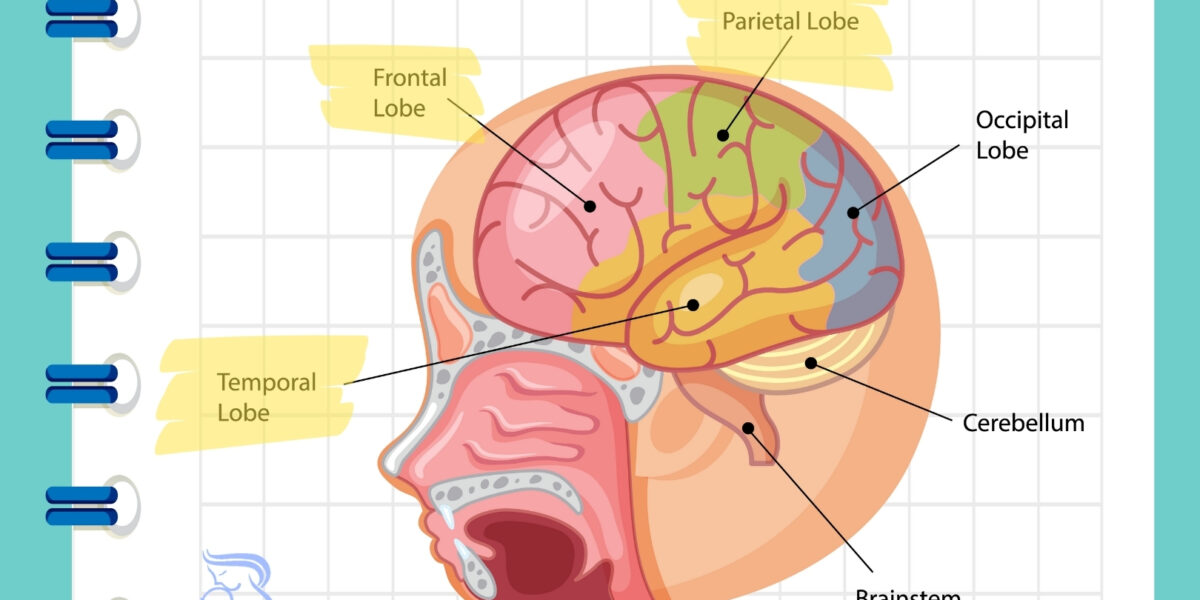
Brain trauma, even if mild, can affect the areas responsible for speech. When a toddler suffers a head injury, it can potentially disrupt the neural pathways that facilitate communication. This disruption can manifest as difficulties in forming words or understanding language. Parents often notice changes in their child’s communication patterns post-injury. If your toddler was chatty before an accident and suddenly struggles with speech, it might be time to consult a specialist. Have you ever considered how something as simple as a fall might have deeper implications? Being aware of these connections allows you to act quickly and seek necessary interventions. Early therapy can make a significant difference in overcoming speech delays. Wouldn’t taking proactive steps to support your child’s development bring peace of mind?
Credit: therapyandwellnessconnection.com
Identifying Speech Delay
Head injuries in toddlers might lead to speech delays. Brain areas responsible for language can be affected. Early intervention and medical evaluation are crucial for addressing these challenges.
Understanding speech delay in toddlers is crucial for parents. A head injury might cause speech delay. Early identification helps in seeking timely intervention. Recognizing the signs is the first step. Parents should be aware of what to watch for.Signs And Symptoms
Speech delay may appear in various forms. Limited vocabulary is a common sign. Difficulty forming sentences is another indicator. Some toddlers struggle with pronunciation. Others might not respond to their name. Lack of gestures like waving is also a symptom. Pay attention to these signs.When To Seek Help
Seek professional advice if concerned. Contact a pediatrician for guidance. Early intervention can make a difference. Consult a speech therapist for evaluation. They can assess and provide recommendations. Trust your instincts as a parent. Better to act early than late. “`Treatment And Intervention
Head injuries in toddlers can impact speech development. Early intervention plays a crucial role in addressing delays. Speech therapy and medical evaluations aid recovery and enhance communication skills.
### Treatment and Intervention When a toddler faces speech delay due to a head injury, finding effective treatment can feel overwhelming. You might wonder what steps to take to help your child communicate better. Fortunately, several therapeutic approaches can aid in this journey. Understanding the right intervention can make a world of difference. Let’s explore how therapeutic strategies and speech therapists play crucial roles in this process. ###Therapeutic Approaches
Therapeutic methods are tailored to each child’s needs. Cognitive therapy is one approach that addresses brain function and aims to improve speech through mental exercises. Occupational therapy may also be suggested, focusing on sensory integration and motor skills, which are sometimes affected by head injuries. Some parents find success with music therapy. It uses rhythm and melody to stimulate speech and language areas of the brain. Could a simple tune encourage your toddler’s speech development? ###Role Of Speech Therapists
Speech therapists are key players in helping toddlers overcome speech delays. They assess your child’s specific challenges and design personalized plans. They use play-based strategies to engage toddlers and make learning fun. This approach can be particularly effective because it turns therapy into a game. Speech therapists also guide parents on exercises and activities to practice at home. This collaboration empowers you to support your child’s progress every day. Imagine your toddler giggling through a session, unaware they’re making strides in their speech. Wouldn’t that be a rewarding experience for both of you? Taking the right steps now can foster communication skills that last a lifetime. Are you ready to explore these possibilities and give your child the support they need?Prevention And Safety Tips
Head injuries in toddlers can lead to speech delays. Ensure safe environments by removing hazards and supervising playtime. Use helmets during activities like biking to protect their heads.
Speech delay in toddlers can be concerning, especially if it’s linked to a head injury. Fortunately, there are ways to minimize the risk of such injuries. By focusing on prevention and safety, you can create a safer environment for your child. Practical steps can greatly reduce the likelihood of head injuries, ensuring your toddler develops speech and language skills without any setbacks.Creating A Safe Environment
Your home should be a haven for your toddler. Start by childproofing areas where your toddler spends most of their time. This means securing heavy furniture to walls, using corner protectors on sharp edges, and ensuring small objects that could be tripped over are out of the way. Use safety gates at the top and bottom of stairs. Keep doors to potentially hazardous areas closed. Imagine your toddler’s perspective as you scan each room for potential dangers. Regularly check play areas for hazards. Ensure that toys are age-appropriate and in good condition. Remember, your vigilance in these small tasks can make a significant difference.Protective Measures For Toddlers
Think of protective gear as your toddler’s best friend during active play. Helmets are essential for activities like biking or using a scooter. Even at a young age, teaching your child the importance of wearing a helmet can form a lifelong habit. Invest in quality baby gates and barriers. These are especially crucial in homes with stairs or rooms that need to be off-limits. It’s a small step that provides immense peace of mind. When outdoors, consider using a stroller or harness to keep your toddler close. This reduces the risk of falls and ensures they’re always within arm’s reach. Have you considered enrolling in a child first aid course? Knowing how to respond in emergencies can be invaluable. It’s not just about preventing injuries but being prepared for the unexpected. What other simple steps can you take today to ensure your toddler’s safety? Taking action now can prevent potential speech delays and give your child a safer start in life.Support For Parents
Supporting parents with a toddler facing speech delays can be challenging. Understanding the effects of head injuries on speech development is crucial. Parents need guidance, resources, and community support. This helps them navigate this difficult time effectively.
Resources And Communities
Parents can find valuable resources online and offline. Websites offer articles, expert advice, and forums. These platforms connect parents with experts and other families. Books on child development can also provide insights. Local support groups offer a space for sharing experiences. They create a network of understanding and support.
Speech therapists and child development specialists are great resources. They provide personalized advice and strategies. Educational workshops and seminars can also be helpful. They often discuss speech development and interventions. Seeking professional help ensures the right approach is taken.
Coping With Speech Delays
Coping with a child’s speech delay requires patience and understanding. Celebrate small victories in your child’s progress. Focus on positive reinforcement and encouragement. Parents should communicate regularly with therapists. This ensures consistent strategies are applied at home.
Develop a routine that includes speech exercises. Make learning fun through games and activities. Encourage your child to express themselves in various ways. Use gestures, facial expressions, and simple words. Keep communication clear and simple.
Parents should also take care of their well-being. Stress management is essential. Consider joining support groups or talking to a counselor. Taking time for self-care can improve your ability to support your child.
Credit: hiehelpcenter.org
Frequently Asked Questions
Can Head Injuries Cause Speech Delay?
Head injuries can cause speech delay by damaging brain areas responsible for language. Prompt medical attention is crucial. Speech therapy may help improve communication skills after such injuries. Early intervention often leads to better outcomes for affected individuals.
Why Is There Speech Delay In Toddlers?
Speech delay in toddlers can stem from various factors like hearing issues, developmental disorders, or lack of interaction. It’s essential to consult a pediatrician for evaluation. Early intervention can significantly help improve communication skills and address underlying causes effectively. Regular engagement with your child enhances language development.
What Are The Long Term Effects Of Head Injury In Toddlers?
Head injuries in toddlers may lead to cognitive challenges, behavioral changes, and learning difficulties. They could affect memory, attention, and emotional regulation, impacting long-term development. Regular medical check-ups and therapy can help manage symptoms and improve outcomes. Early intervention is crucial for minimizing long-term effects.
What Is Early Onset Dementia Caused By Head Injury?
Early onset dementia from head injury occurs when brain damage affects cognitive functions. Symptoms may include memory loss, confusion, and mood changes. Repeated injuries increase dementia risks. Prevention involves wearing helmets and avoiding head trauma. Prompt medical attention is crucial for managing symptoms and improving quality of life.
Conclusion
Speech delay in toddlers can be linked to head injuries. Parents should watch for signs. Early detection is important. Consult a doctor if concerned. Therapy helps improve speech skills. Toddlers need support and patience. Encourage communication through play. Create a nurturing environment.
Engage in conversations daily. Foster language development naturally. Remember, each child is unique. Some may recover quickly. Others may need more time. Stay informed and proactive. Seek professional advice when needed. Understanding causes aids in better care. Your child’s progress matters most.
Keep encouraging and supporting them. Together, you can overcome challenges.