Are you wondering if your child’s pacifier could be impacting their ability to speak? As a parent, you want to do everything right for your little one, and understanding the effects of a pacifier on speech development is crucial.
You might have heard mixed opinions, and it’s easy to feel confused. The thought of your child’s speech being delayed can be concerning, and the last thing you want is to unintentionally hinder their growth. We’ll uncover the truth behind pacifiers and speech development.
You’ll discover expert insights and practical tips to ensure your child’s language skills flourish. Stay with us as we dive into the facts, debunk myths, and empower you with the knowledge to make informed decisions for your child’s future.
Pacifier Use In Infancy
Parents often wonder if pacifiers can affect speech development. Some experts believe prolonged use might delay speech. Limiting pacifier use after infancy could help speech skills.
Pacifiers are often a staple in an infant’s early life. As a parent, you might find them a lifesaver, especially during those challenging moments when nothing else seems to calm your baby. But amidst the chaos of parenting, have you ever paused to wonder about the long-term effects of pacifier use in infancy? While they offer immediate relief, is there a hidden cost, particularly concerning your child’s speech development?Benefits For Babies
Pacifiers can be a soothing tool for infants. They help in calming babies during stressful situations, like doctor visits or long car rides. Many parents swear by their ability to help babies fall asleep faster and stay asleep longer, which is crucial for both the baby’s and parents’ well-being. There’s also evidence suggesting that pacifiers may reduce the risk of sudden infant death syndrome (SIDS). The act of sucking seems to help in keeping the airways open. If you’re weighing the pros and cons, this benefit might tip the scale in favor of using a pacifier.Common Concerns
But what about the potential downsides? Many parents worry about the impact of pacifiers on speech development. Some experts suggest that prolonged use might delay speech because it can restrict a baby’s ability to babble and experiment with sounds. There’s also the concern about dental health. Extended pacifier use, especially beyond the age of two, might affect the alignment of teeth. It’s something to consider as you decide how long to let your child use a pacifier. Have you observed any changes in your child’s speech patterns or dental health? It’s these small observations that can guide you in making informed decisions about pacifier use. Would reducing pacifier time encourage more verbal interaction? It’s worth a thought as you navigate the early years of parenting.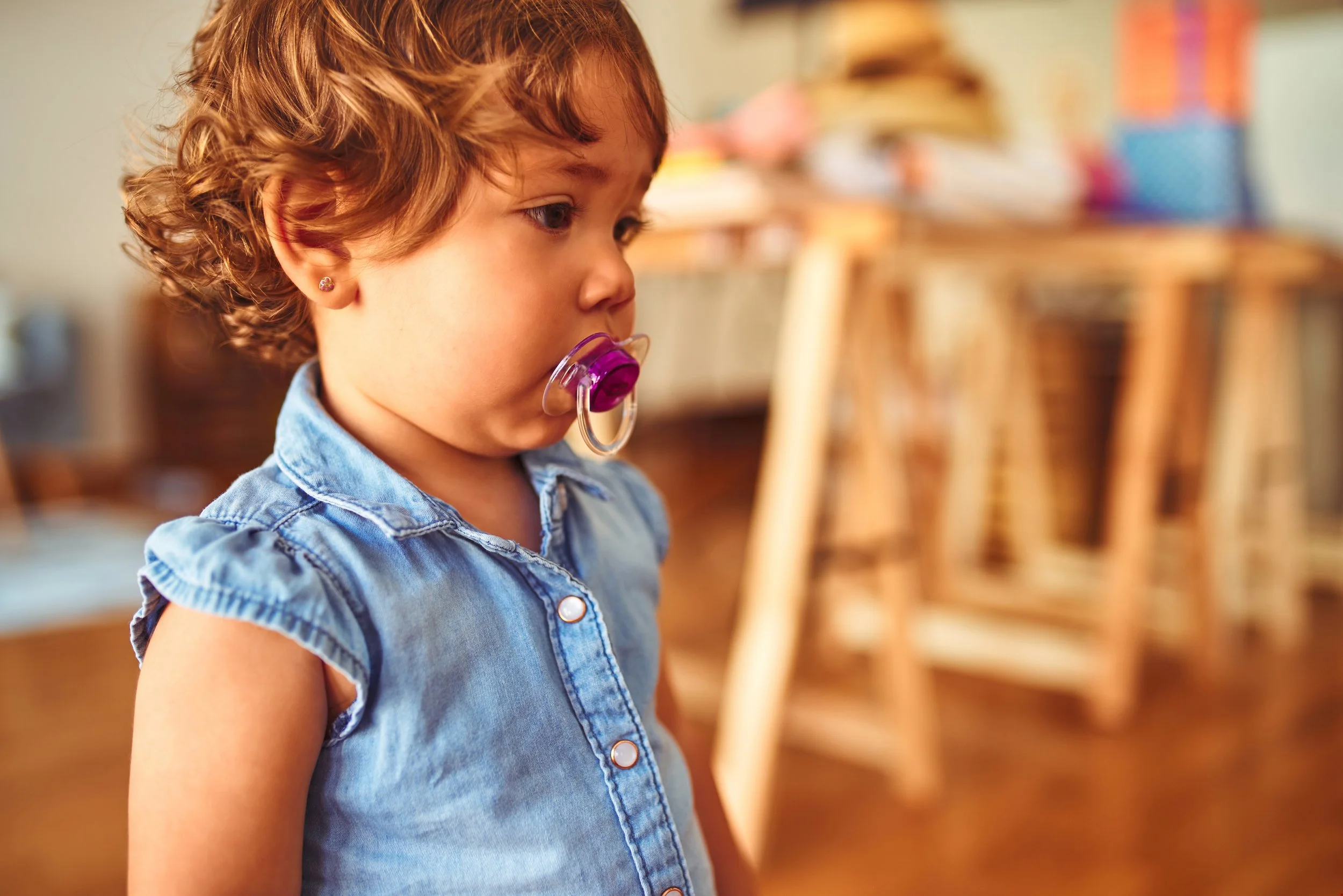
Credit: toddlertalk.com
Speech Development In Early Years
Using a pacifier might delay speech development in young children. Babies learn to make sounds through babbling. Pacifiers can limit this practice, affecting how quickly they learn to speak. Parents should monitor pacifier use to help support healthy speech growth.
Understanding speech development in the early years is crucial for parents eager to support their child’s communication skills. These formative years are a whirlwind of babbling, cooing, and eventually forming words that make up the foundation of language. As parents, you often wonder if certain habits, like using a pacifier, might delay these essential milestones. Let’s delve into the key milestones and factors that influence speech development in young children.Key Milestones
In the first year, your baby communicates through cries, coos, and gurgles. By six months, they usually start babbling with sounds like “ba-ba” or “da-da.” Around their first birthday, many children can say a few simple words like “mama” or “dada.” As they approach their second year, toddlers typically have a vocabulary of about 50 words. They begin to form simple two-word phrases like “more milk” or “big truck.” By age three, their vocabulary can grow to over 200 words, and they start using complete sentences. These milestones are general guidelines. Children develop at their own pace, and minor variations are normal. Paying attention to these key stages can help you identify if your child needs additional support.Factors Influencing Speech
Several factors can affect how and when your child speaks. Genetics play a significant role; if you or your partner spoke early, your child might too. Hearing is crucial, as it’s the foundation for learning language. Ensure regular check-ups to catch any issues early. Social interactions matter greatly. Talking, reading, and singing to your child enhances their vocabulary and understanding. Engage them in conversations and respond to their attempts to communicate. Environmental factors, like a noisy household or frequent screen time, can also impact speech development. Consider creating a quiet, focused environment for your child to practice speaking and listening. Reflect on your child’s interactions and environment. Are there simple changes you can make to encourage their speech development? By understanding these factors, you can better support your child’s journey in learning to communicate effectively.Research On Pacifiers And Speech Delay
Parents often worry about pacifiers affecting speech development. The concern is valid. Researchers have studied how pacifiers might delay speech. Understanding this helps parents make informed choices.
Recent Studies
Recent studies have explored the link between pacifiers and speech delay. Researchers observed children who used pacifiers frequently. They compared them to children who did not use pacifiers. The studies aimed to identify any differences in speech development.
Experts conducted these studies over several years. They collected data from various regions. The goal was to ensure diverse findings. Researchers focused on early childhood, a crucial time for speech development.
Findings And Implications
Results showed mixed outcomes. Some children using pacifiers experienced slower speech development. Others showed no significant delay. Factors like duration and frequency of pacifier use played a role.
Implications of these findings are important. Parents should consider limiting pacifier use. Encouraging speech activities can benefit language skills. Parents can help by engaging in conversations with their children.
Pacifiers can affect speech development in some cases. Understanding research can guide better parenting decisions. It’s crucial to balance pacifier use and speech practice.

Credit: brainwave.watch
Parenting Practices And Speech Outcomes
Parents often wonder about pacifiers and speech. A pacifier might slow speech development by limiting babbling. Encouraging verbal interaction can help balance this effect.
### Parenting Practices and Speech Outcomes As a parent, you want to do what’s best for your child’s development. Speech is a crucial part of their growth, and many parents wonder if their practices might affect it. One common concern is whether using a pacifier can delay speech development. Every child is different, and so are the parenting practices that work best. You might have used a pacifier to comfort your baby and help them sleep better. But how does this choice affect their ability to speak? ###Balancing Comfort And Development
Finding the right balance between comforting your child and supporting their development is challenging. Pacifiers can be a lifesaver when your baby is fussy or teething. But prolonged use might interfere with their attempts to babble and form words. Consider this: I used a pacifier with my first child until they were three. They spoke later than their peers, which made me question my decision. Was it the pacifier, or was it just their natural pace? Every child is unique, and what works for one might not work for another. The key is to observe your child and make adjustments as needed. ###Guidelines For Pacifier Use
If you’re using a pacifier, there are some simple guidelines to follow. Limit its use primarily to nap times and bedtime. This way, your child has more opportunities to practice speaking during the day. Encourage your child to talk or babble when they are awake and alert. Engage them in conversations, even if they can’t form words yet. Your interaction is crucial for their speech development. Consider gradually reducing pacifier use as your child grows older. Begin around the age of two, when they are more capable of communicating their needs verbally. Ask yourself: Is the pacifier serving as a tool for comfort or a crutch that’s holding back speech? Being mindful of these guidelines can help you make informed choices. Your approach to parenting impacts your child’s development. By balancing comfort with opportunities for speech, you can support their growth in a thoughtful way.Alternative Soothing Methods
Parents often wonder if pacifiers can affect speech development. Experts suggest prolonged use might delay speech by limiting opportunities for practice. Exploring alternative soothing methods could help balance comfort with language growth.
Alternative soothing methods offer diverse ways to calm a child. Parents often seek alternatives to pacifiers due to concerns about speech delay. Exploring natural techniques can provide soothing effects without hindering speech development.Natural Techniques
Gentle rocking can calm a baby effectively. The rhythmic motion helps relax the child. Singing lullabies also provides comfort. The melody soothes their mind and promotes relaxation. Another approach is gentle massage. This enhances bonding and relaxes the child. Focus on simple techniques that encourage closeness.Pros And Cons
Natural techniques promote speech development. They avoid potential speech delays linked to pacifiers. These methods encourage parent-child bonding. They also foster emotional security. However, natural techniques require time and patience. Immediate results may not be visible. Parents might find these methods demanding. Consistent practice often leads to successful soothing.
Credit: www.tinytalkerschicago.com
Frequently Asked Questions
Can Pacifiers Cause Speech Delays?
Pacifiers may contribute to speech delays if used excessively. Limiting use after six months can help prevent issues. Encourage your child to babble, talk, and interact regularly for healthy speech development. Consult a pediatrician for personalized advice if concerns persist.
What Is The Best Age To Take Away A Pacifier?
Experts recommend removing a pacifier between 6 months and 1 year. This helps prevent dental and speech issues. Gradual weaning can make the transition easier for the child. Always consider individual needs and consult a pediatrician if unsure.
What Is The Most Common Cause Of Speech Delay?
The most common cause of speech delay is a developmental language disorder. It affects a child’s ability to communicate effectively. Early intervention can help improve language skills and overall communication. Consult a pediatrician for assessment and guidance if you notice speech delays in your child.
Do Pacifiers Affect Development?
Pacifiers can affect dental development if used excessively. They may delay speech in some children. Proper use and timing minimize risks. Always consult a pediatrician for personalized advice. Balance is key to ensuring healthy development.
Conclusion
Pacifiers might impact speech development, but every child is different. Some kids use them without issues. Others might face slight delays. Parents should watch for signs. Listen to your child’s speech progress. Consult a pediatrician if concerned. It’s important to balance pacifier use.
Encourage speaking and interaction. Playtime and conversations help language skills. A little awareness goes a long way. Keep an eye on changes. Your child’s needs should guide your decisions. Remember, understanding your child is key. You know what’s best for them.